PRODUCT PARAMETERS
Description
Introduction to shaft steel
shaft steel are important components in mechanical systems used to support rotating parts (such as gears, pulleys or sprockets) and transmit torque. They play a key role in mechanical equipment by connecting the power source with the working parts to ensure the effective transmission of power.
Characteristic advantages of shaft steel
High precision: adopting precision machining technology ensures the size and shape accuracy of the shaft and improves the transmission efficiency.
High strength: made of high-quality materials with good tensile, compressive and wear-resistant properties.
Reliability: After strict quality control, it ensures stable operation for a long time.
Versatile design: A variety of specifications and types are available to suit different applications.
Easy maintenance: the structure is designed for easy installation and repair, reducing maintenance costs.

Specification of shaft steel
Shaft Steel Specifications
Material Composition
Shaft steel is made from premium carbon or alloy steel. Typical qualities consist of 1045, 4140, and 4340. These steels contain specific quantities of carbon, manganese, chromium, and other elements. The mix gives the steel great strength and strength. Each batch meets rigorous chemical criteria to make sure constant efficiency.
Mechanical Characteristics
This steel reveals solid tensile toughness, generally in between 600 and 1,200 MPa. Return strength varies from 400 to 1,000 MPa, depending upon warmth therapy. Solidity falls between 200 and 300 HB after normalizing or appeasing and toughening up. Influence resistance continues to be high also under hefty tons or shock conditions. These features make shaft steel reliable popular mechanical applications.
Surface Area Quality and Tolerances
The surface should be clean and free from cracks, joints, or folds up. Small scrapes serve if they stay within allowed restrictions. Size resistances comply with ISO or ASTM standards– usually ± 0.02 mm for precision-ground shafts. Straightness is maintained under 0.1 mm per meter of size. Roundness and concentricity additionally fulfill tight commercial needs.
Heat Treatment Options
Shaft steel can be provided in various problems: hardened, stabilized, or satiated and tempered. Appeasing and toughening up is most typical– it increases hardness while maintaining ductility. Warmth therapy is done in regulated furnaces to prevent distortion. After therapy, components may go through anxiety eliminating to improve dimensional stability.
Applications
This steel functions well in vehicle axles, motor shafts, pump rods, and transmission components. It handles continual rotation, torque transmission, and flexing anxiety without failing. Industries like manufacturing, power, and transportation count on it daily. Its equilibrium of stamina, wear resistance, and machinability makes it a top option for rotating parts.

Applications of shaft steel
Applications of Shaft Steel
Industrial Equipment
Shaft steel plays a crucial function in industrial machinery. It sends power and motion between components like motors, equipments, and pulleys. Since it stands up to wear and deals with heavy tons, machines run smoothly for longer periods. Factories depend on this product to maintain assembly line relocating without constant malfunctions.
Automotive Systems
In automobiles and trucks, shaft steel is utilized in drive shafts, camshafts, and crankshafts. These parts must withstand consistent anxiety and high speeds. The stamina and longevity of shaft steel ensure automobiles operate securely and successfully. It likewise helps reduce vibration, which boosts trip comfort and extends the life of various other components.
Agricultural Equipment
Tractors, harvesters, and watering systems all depend on shaft steel. Farm equipment operates in challenging conditions– messy fields, damp dirt, and irregular surface. Shaft steel withstands these obstacles. Its durability avoids bending or breaking throughout heavy use, so farmers can complete jobs without unforeseen fixings.
Power Generation
Wind turbines and generators need reputable revolving parts. Shaft steel provides the architectural foundation for these systems. It preserves positioning under high rotational forces and temperature level adjustments. Nuclear power plant choose this product due to the fact that it sustains consistent energy output and decreases downtime.
Mining and Building
Heavy-duty drills, conveyors, and excavators make use of shaft steel in their core devices. These makers face severe pressure and unpleasant materials daily. Shaft steel’s hardness and fatigue resistance make it excellent for such demanding environments. It keeps devices running even under continual strain.
Marine Propulsion
Ships and boats make use of propeller shafts made from top-quality shaft steel. Saltwater, corrosion, and constant activity examination any type of metal. Shaft steel is usually dealt with or alloyed to resist corrosion and maintain honesty with time. This guarantees secure and reliable efficiency mixed-up.
Company Introduction
Established in 2002, Port of Machinery Co.,ltd. focus on metal research and mining machinery spare parts. 2 factories over an area of 13,300 square meters, based on 100+ sets of equipment, our production capacity reaches 12000 Tons/Year. has passed ISO 9001 quality managment system certification in 2008.
Our mainly products are dragline excavator spare parts,rotary kiln spare parts, large modulus gear (gear shaft), gearbox ect. 40+ patents with over 45 years experience to help focus on improve the service life of spare parts. We belive that more than 80% reason of mechanical parts’ working life depends on hot processing (steel making/forging/casting/welding/heat treatment). Eight material engineers will control the quality from the original resource.
If you are interested, please feel free to contact us.
Payment
L/C, T/T, Western Union, Paypal, Credit Card etc.
Shipment
By sea, by air, by express, as customers request.
5 FAQs of shaft steel
Frequently Asked Questions About Shaft Steel
What is shaft steel used for?
Shaft steel is mainly used to make rotating parts like motor shafts, gear shafts, and drive shafts. These parts need to handle stress, wear, and sometimes high speeds. Shaft steel gives them the strength and durability they need.
What types of steel are common for shafts?
Common choices include carbon steels like 1045 and alloy steels like 4140 or 4340. Carbon steels are cost-effective and work well for general use. Alloy steels offer better toughness and fatigue resistance, which is important in heavy-duty applications.
Does shaft steel need heat treatment?
Yes, most shaft steel goes through heat treatment. This process improves hardness, strength, and wear resistance. Typical treatments include quenching and tempering. Some shafts also get surface hardening to protect against wear while keeping a tough core.
How do I choose the right shaft steel?
Look at your application’s load, speed, and environment. For light loads and simple uses, medium carbon steel may be enough. For high stress, shock loads, or critical machinery, go with an alloy steel. Always check industry standards or consult an engineer if you’re unsure.
Can shaft steel rust?
Yes, most shaft steels can rust because they contain iron. If your part will face moisture or harsh conditions, consider using protective coatings or stainless grades. However, stainless steel is not always strong enough for high-load shafts, so balance corrosion resistance with mechanical needs.
REQUEST A QUOTE
RELATED PRODUCTS
Auto Front Left and Right Axle Shaft For Land Rover Range Rover Velar L560 2017-
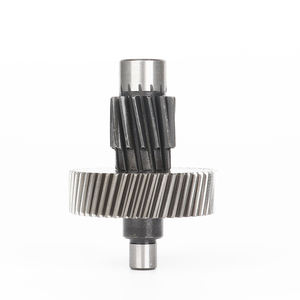
Cv Joint Axle Shaft Drive Shaft Assy for Benz Toyota Mazda Mitsubishi BMW Transmission Shaft
Transmission cardan shaft for Mercedes-Benz W220 S350 W211 E280 E350 front prop shaft drive shaft A2104104316 A2104103716
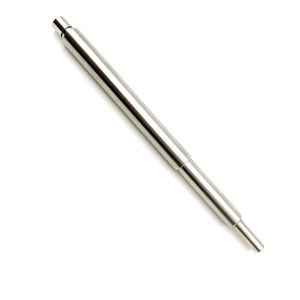
original Konica Minolta Release Shaft /1 (A5AW824300) for Konica Minolta AccurioPress C6085
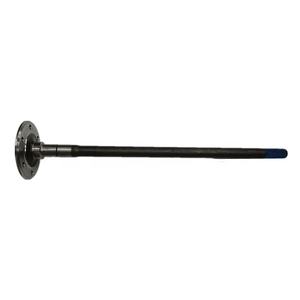
TQG Servo motor Planetary gear reducers PAW070A-CR reducer 90 degree servo gearbox Reductor hollow shaft with keyway